

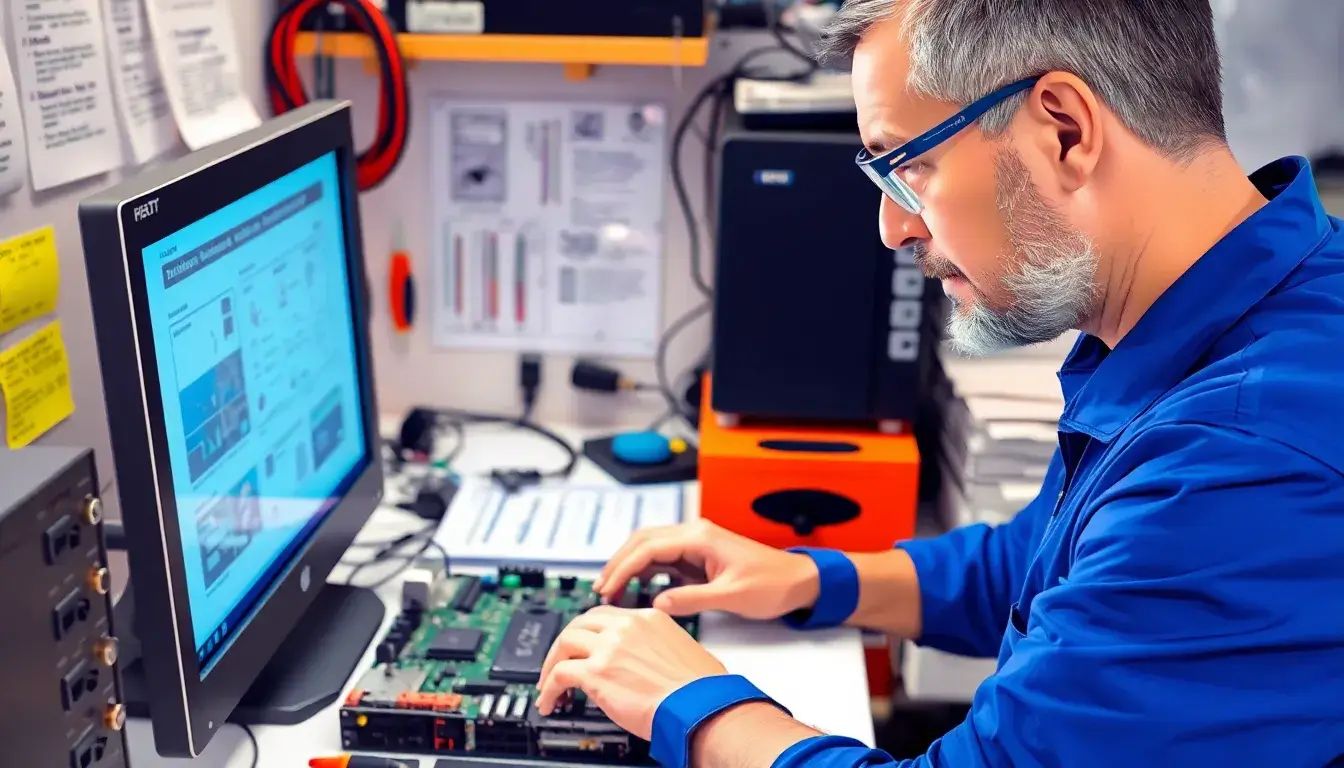
GRS Uine28.6 error codes indicate that a device or software system has detected a fault and is signaling it through a specific numeric or alphanumeric message. These codes help you trace the problem faster, prevent further damage, and restore normal performance when handled correctly.
What Are GRS Uine28.6 Error Codes?
GRS Uine28.6 error codes are structured messages generated when a system finds something out of order in its normal operation. They may appear on a display, inside a log file, or as pop‑up notifications depending on the device or platform you are using.
Each code usually points to a specific category of issue, such as configuration conflicts, software bugs, or hardware malfunctions. Instead of guessing blindly, you can use the code as a direct clue that narrows your search to a few likely causes.
Why GRS Uine28.6 Error Codes Matter
Ignoring GRS Uine28.6 error codes can allow minor glitches to grow into serious failures over time. A small configuration problem, for example, might lead to repeated crashes, data loss, or unstable performance.
By paying attention to the exact code, you reduce trial‑and‑error and avoid changing parts or settings that are not actually related to the fault. This saves effort, reduces downtime, and can even extend the lifespan of your equipment or system.
Common Causes of GRS Uine28.6 Error Codes
Many GRS Uine28.6 error codes are triggered after a recent change, such as installing new software, updating firmware, or adjusting advanced settings. Conflicting configurations, incompatible versions, or incomplete installations often sit behind these alerts.
Hardware‑related issues are another frequent source. Loose connections, failing sensors, overheating components, or power irregularities can all generate repeated error messages until the physical cause is removed.
Types of GRS Uine28.6 Error Codes You Might See
Different systems using GRS Uine28.6 error codes tend to group them into broad categories. For instance, some codes mainly flag sensor problems, others point to communication failures, and some indicate protection or safety‑related shutdowns.
You may encounter codes that look like “E1,” “E2,” “F0,” or “H3,” each representing a distinct situation such as temperature limits, communication breakdowns, or compressor faults in equipment‑style environments. In other platforms, the codes may be longer alphanumeric strings tied to software or configuration errors.
How to Start Diagnosing GRS Uine28.6 Error Codes
When a GRS Uine28.6 error code appears, first note the exact code and any accompanying message instead of just clearing it. This information is valuable for documentation, technical support, and later checks if the fault returns.
Next, think about what changed shortly before the code appeared. New apps, patches, plug‑ins, or hardware add‑ons are prime suspects, and temporarily reversing those changes often reveals whether they triggered the issue.
Step‑by‑Step Fixes for GRS Uine28.6 Error Codes
A simple restart is often the fastest first step because it clears temporary glitches and forces the system to re‑initialize its components. If the GRS Uine28.6 error code disappears and does not return, it may have been a short‑lived anomaly.
If a reboot does not help, check for available updates from the manufacturer or developer. Many error codes are tied to known bugs that are patched in newer releases, and installing a stable update can resolve repeated alerts without further intervention.
Hardware and Connection Checks for GRS Uine28.6 Error Codes
When GRS Uine28.6 error codes relate to equipment or devices, inspecting physical connections is essential. Loose cables, damaged connectors, and corroded terminals can all interfere with normal communication between components.
In systems that rely on sensors, a single faulty sensor can cause multiple codes to appear. Re‑seating connectors, examining wiring harnesses, and replacing suspect sensors one at a time is a reliable way to see whether the code clears.
Configuration and Software Tweaks Behind GRS Uine28.6 Error Codes
Incorrect configuration values are another frequent reason GRS Uine28.6 error codes show up. Advanced options changed without full understanding can push a system outside its safe operating range, triggering protective alerts.
Restoring settings to factory values or known‑good profiles is often effective. Once the error disappears, you can reapply changes one at a time, testing after every adjustment so that you immediately see which specific change revives the code.
When to Seek Professional Help for GRS Uine28.6 Error Codes
If GRS Uine28.6 error codes persist after restarts, updates, and basic checks, it is wise to consult official manuals or vendor resources. These materials usually list each code, its meaning, and recommended service actions tailored to that exact model or platform.
Repeated codes accompanied by unusual noises, smells, or heat should be treated seriously. In such cases, shutting the system down and contacting a qualified technician helps avoid safety risks or permanent damage to expensive components.
Preventing Future GRS Uine28.6 Error Codes
Regular maintenance lowers the chances of seeing new GRS Uine28.6 error codes. Cleaning vents, checking cables, monitoring temperatures, and inspecting sensors help catch issues before they trigger faults.
On the software side, keeping firmware and applications current while avoiding untested experimental changes on production systems reduces instability. Maintaining a small log of updates and configuration edits also makes it easier to trace problems if an error suddenly appears after a modification.
FAQs About GRS Uine28.6 Error Codes
1. What does a GRS Uine28.6 error code actually mean?
A GRS Uine28.6 error code is a signal that the system has detected a problem and is reporting it using a predefined code so you can identify the general cause quickly. The exact meaning depends on the manufacturer’s documentation and the device or platform where it appears.
2. Can I ignore GRS Uine28.6 error codes if everything still works?
You may still be able to use the device or software for a while, but ignoring the code can allow hidden faults to worsen. Over time, this can lead to failures, data loss, or reduced performance, so it is better to investigate sooner rather than later.
3. How do I find the meaning of a specific GRS Uine28.6 error code?
Look up the exact code in the official manual, online support pages, or technical PDFs for your specific model or application. Many vendors publish tables listing each code, its description, and recommended corrective actions.
4. What should I try first when a GRS Uine28.6 error appears?
Start with the basics: restart the device or application, note the code and message, and think about any recent changes you made. If that does not help, check for updates, examine physical connections (where relevant), and review configuration settings.
5. Do GRS Uine28.6 error codes always mean hardware is damaged?
No, many GRS Uine28.6 error codes are caused by configuration problems, temporary glitches, or software bugs rather than permanent hardware damage. Hardware issues are only one category among several possible triggers.
6. When should I call a technician for GRS Uine28.6 error codes?
If the same code returns after you restart, update, and reset basic settings, or if the device shows warning signs like overheating or unusual noise, you should get professional support. Complex equipment often needs specialized tools and training to diagnose safely.
7. Can preventive care reduce GRS Uine28.6 error codes?
Yes, consistent care such as cleaning components, inspecting wiring, monitoring sensor readings, and applying only tested updates significantly reduces error frequency. Good maintenance habits keep systems stable and make error codes less likely to appear.
Read more: Amy Corenswet: Private Client Attorney, Background, Practice Areas, and FAQ
